
- News
- City News
- bengaluru News
- Housing birds & butterflies, Madiwala Lake is a visitors’ paradise
Trending
This story is from July 21, 2018
Housing birds & butterflies, Madiwala Lake is a visitors’ paradise
Fluttering butterflies, varieties of migratory and native water birds that swoop down in droves, a herb garden and two greenhouses dot the surroundings of Madiwala Lake in southeast Bengaluru.
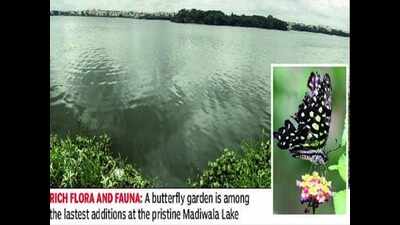
Two greenhouses, one with various types of cacti and another with tropical plants from across the country, have been constructed to generate awareness among visitors
Rejuvenated approximately 15 years ago, the 272-acre lake received a Rs 25 crore grant in 2016 from the Lake Development Authority (LDA) for its development as a biodiversity park, under a central government scheme.

The department held its first meeting with members of Madiwala Tank Lake Foundation on Thursday to discuss future plans and what else needs to be done for the lake to become a biodiversity park. With no encroachments, the lake and its immediate surroundings are in a much better condition than many other waterbodies. The lake welcomes visitors through the day, unlike others which are mostly closed for maintenance.
A Vidyashankar, a senior member of the foundation and certified lake warden, said some of the recent additions include a butterfly garden and parking facilities. “The peak season is from November to April when the sky is full of butterflies. Over 20 varieties of butterflies can be seen in the small park housing 200 varieties of saplings, planted specifically to attract them. The number is so huge that some can even be spotted in houses 2km away. We have also built a small pond within the park to make visitors feel close to nature,” he elaborated.
“We generate about Rs 10 lakh revenue from the lake every year. The fisheries department also rears fish here, for which it pays us. We earn money from the sale of manure, parking tickets and boating, and plan to plant
tamarind trees around the premises, which can be sold later,” said Vidyashankar.
The forest department has cleared some space to build another sewage treatment plant (STP) in the premises to accommodate the sewage flowing in from nearby areas. Narayan Hegde, another member of the foundation, said the focus is on planting fruit trees and not jungle wood to attract birds and create a healthy ecosystem. Addition of eight floating islands to the existing two and installation of floating fountains are among the other plans.
“Despite the STP, there is leakage in some places which is causing sewage to enter the lake and reduce the oxygen content. The floating fountains will propel water into the air to a height of 50ft, where it will absorb oxygen and fall back. We are being assisted by the World Wildlife Fund,” said Hegde.
End of Article
FOLLOW US ON SOCIAL MEDIA






Photostories

Hot Picks
TOP TRENDING
Popular Categories
Hot on the Web
Top Trends
AUS vs SA Live ScoreRohit SharmaLiam PayneUGC Net June ResultSL vs WI Live ScoreIND vs NZ HighlightsUGC NET ResultInfosys Q2 ResultHaryana Cabinet Ministers ListJustin TrudeauFlights Bomb ThreatJharkhand Election ScheduleMaharashtra Election 2024US Presidential Election 2024Maharashtra Election ScheduleJharkhand Election ScheduleLive Cricket Score
Trending Topics
Diwali WishesDhanteras 2024Fake PaneerLiam PayneVettaiyan CollectionVicky Vidya Ka Woh Wala Video CollectionLawrence BishnoiJigra OTT ReleaseCow GheeBigg Boss 18Salman KhanShraddha KapoorRenukaswamys WifeSharad Purnima Moonrise TimeSwatantrya Veer SavarkarSharad Purnima 2024Top Load Washing MachinesBest Premium LaptopsIntel LayoffsWordle Answer
Living and entertainment
Latest News
Injury scare for Team India as Rishabh Pant hobbles off the fieldHappy Dhanteras 2023: Images, Quotes, Wishes, Messages, Cards, Greetings, Pictures and GIFsDA hike calculator: Dearness allowance & relief hiked by 3% - here’s how much extra salary, pension central government staff & pensioners will getRaima Sen on playing iconic Suchitra Sen: It would be an honourTrending couple tattoo ideasBigg Boss Tamil 8 Preview: Emotional turmoil as housemates tease Dharsha Gupta over her cookingSalman Khan’s security beefed up after Baba Siddique’s murder: Arbaaz reacts, Vivek Oberoi's old video goes viral, and all that happenedCitizenship under Assam accord: 4:1 SC verdict upholds validity of Section 6A; dissenting judge says provision 'has become more prone to abuse'Kartik Maas 2024 Start and End Date: Time, Puja Rituals and Significance7 deadliest reptiles in the world from venomous snakes to turtles'Love Rohit Sharma's honesty': Sanjay Manjrekar calls India captain 'top man''Secret service needs reform': Independent probe panel on Trump's assassinationBreast cancer fighter Hina Khan shares a video of people who have inspired her during her journey; watchWWE Superstar Seth Rollins confirms date and occasion for in-ring returnKarva Chauth Puja Samagri: List of items for Puja Samagri of Karwa Chauth 2022At 25,007 weekly departures, 5% more domestic flights this winter: DGCAUGC NET Result 2024 OUT: Direct link to check subject/category wise cut-offSolo, but never alone! Embrace Abu Dhabi’s unique experiences for independent adventurers
Copyright © 2024 Bennett, Coleman & Co. Ltd. All rights reserved. For reprint rights: Times Syndication Service